Scientists Are Engineering DNA Nanorobots to Hunt Down Cancer and Viruses in the Bloodstream
Scientists are turning DNA into tiny robots that can move, sense, and deliver drugs, pushing nanotechnology closer to real-world use.
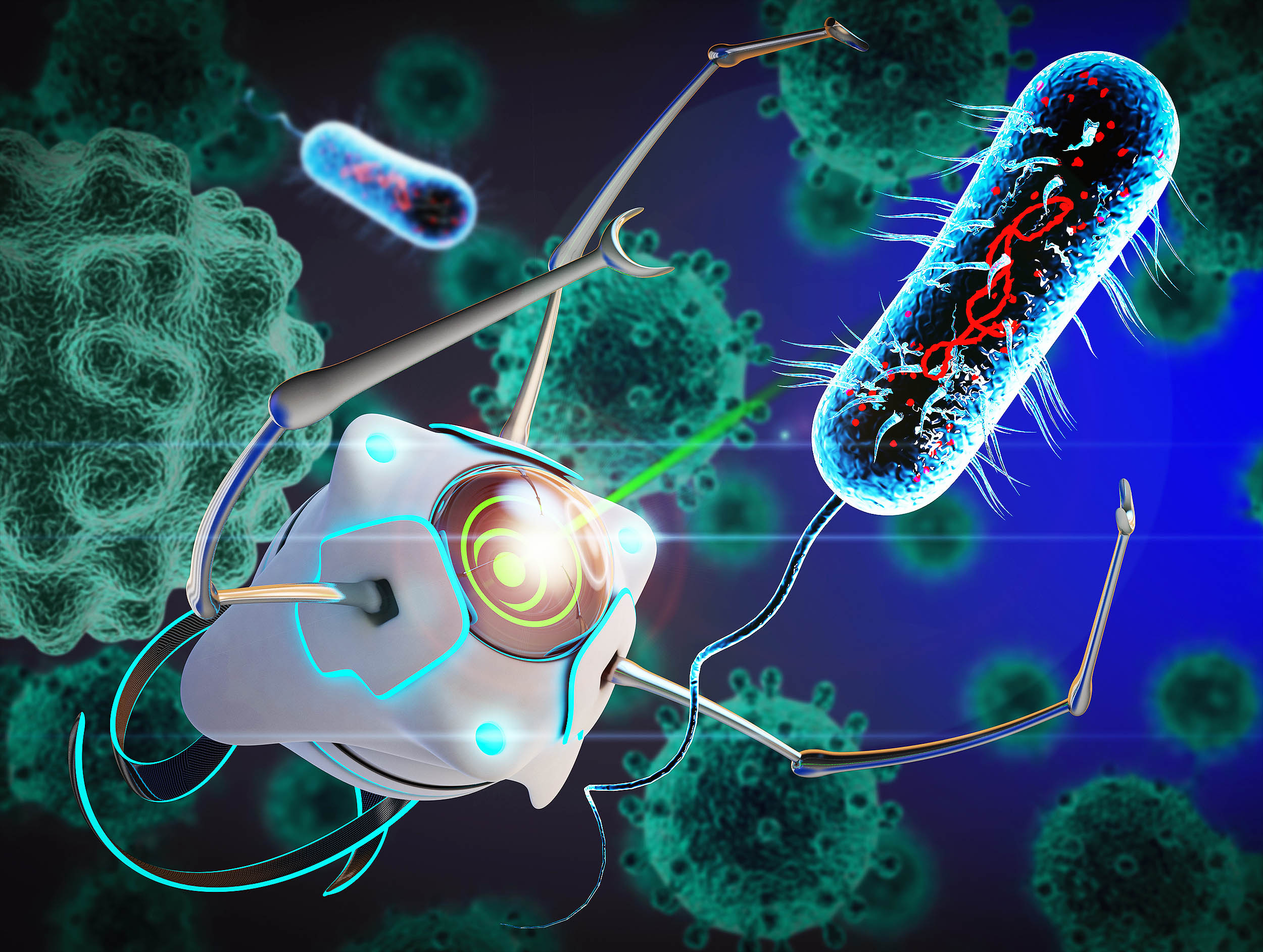
Scientists are building 'intelligent' DNA robots that travel in the bloodstream to seek and destroy cancer and viruses
Researchers around the world are making remarkable strides in transforming DNA, the molecule best known as the blueprint of life, into programmable nanoscale robots capable of navigating the human body. These microscopic machines, often no larger than a few billionths of a meter, are being engineered to travel through the bloodstream, identify diseased cells, and deliver therapeutic payloads with extraordinary precision. The field, known as DNA nanotechnology, has advanced rapidly in recent years, and scientists say the technology is now closer than ever to moving from laboratory experiments into real clinical applications.
At the heart of these innovations is a technique called DNA origami, which allows researchers to fold single strands of DNA into complex three-dimensional shapes. By carefully designing the sequence of genetic letters, scientists can create structures that act as containers, walkers, or even logic gates capable of making simple decisions. Some of these tiny robots have been programmed to open only when they encounter specific molecular markers found on the surface of cancer cells or viruses, releasing drugs directly at the site of disease while leaving healthy tissue unharmed. Early animal studies have shown promising results, with DNA nanorobots successfully shrinking tumors in mice by cutting off blood supply to cancerous growths.
One of the most exciting aspects of this technology is the potential for these robots to act with a degree of autonomy. Researchers have designed DNA devices that can sense their environment, process biological signals, and respond accordingly without any external guidance. This kind of built-in intelligence could revolutionize how doctors treat not only cancer but also autoimmune disorders, viral infections, and other conditions that currently require blunt therapeutic approaches with significant side effects. Teams at institutions including the Wyss Institute at Harvard, Arizona State University, and several leading universities in China and Europe are racing to refine these systems for eventual human use.
Despite the excitement, significant challenges remain before DNA nanorobots become a standard part of medicine. Scientists must still overcome hurdles related to the stability of DNA structures in the harsh environment of the human body, potential immune reactions, and the difficulty of manufacturing these devices at scale. Regulatory pathways for such novel therapies are also largely uncharted. Nevertheless, researchers remain optimistic that within the next decade, the first DNA-based nanomedicines could enter clinical trials, ushering in an era where microscopic robots patrol the bloodstream as vigilant guardians of human health.