Scientists Crack 40-Year Mystery Behind Deadly Sleeping Sickness Parasite
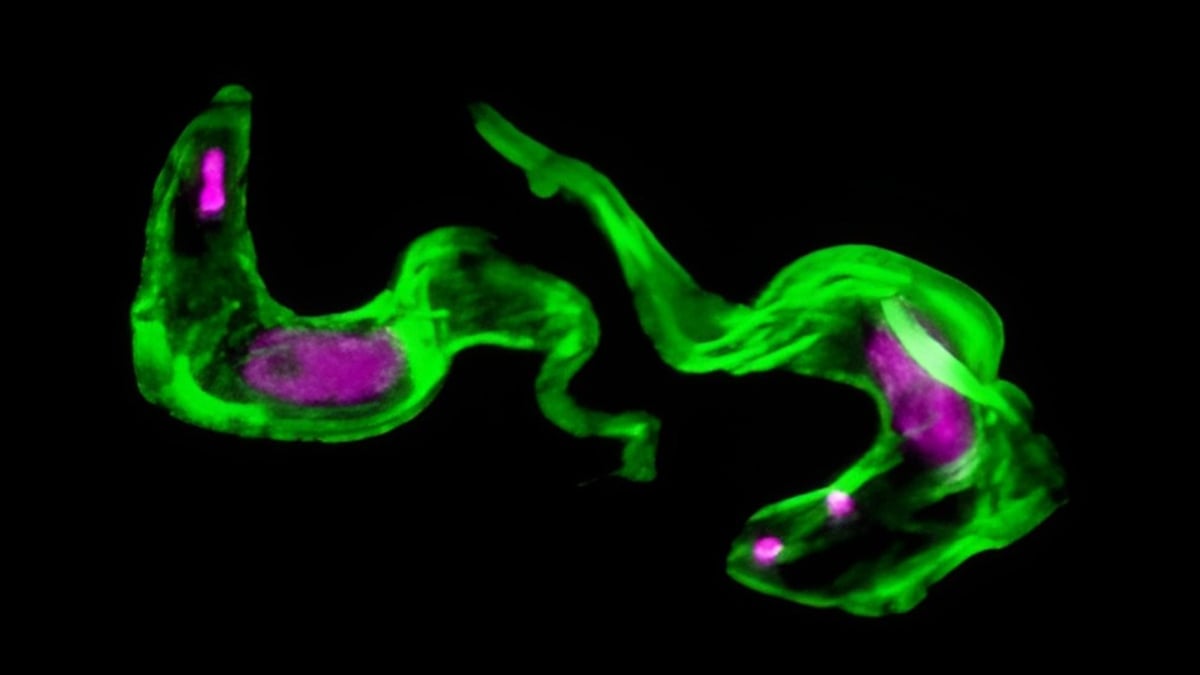
The tropical disease known as sleeping sickness is caused by the African Trypanosoma brucei parasite.
Researchers have achieved a landmark breakthrough in the fight against sleeping sickness, finally solving a scientific mystery that has puzzled experts for four decades. The tropical disease, caused by the African parasite Trypanosoma brucei, affects thousands of people each year across sub-Saharan Africa and can be fatal if left untreated.
Sleeping sickness, formally known as human African trypanosomiasis, is transmitted through the bite of the tsetse fly. Once inside the human body, the parasite invades the bloodstream before crossing into the central nervous system, causing severe neurological symptoms including disrupted sleep cycles, confusion, and ultimately death without medical intervention.
For 40 years, scientists have been baffled by a core mechanism of how Trypanosoma brucei evades the human immune system with such remarkable efficiency. The parasite is notorious for its ability to continuously alter its surface proteins, effectively disguising itself before the body can mount a successful defense.
The new research sheds light on the precise molecular processes that allow the parasite to execute this evasion strategy, revealing previously unknown genetic and biological pathways. Scientists say understanding these mechanisms opens the door to developing far more targeted and effective treatments than those currently available.
Existing treatments for sleeping sickness are limited, often toxic, and increasingly threatened by drug resistance. Experts hope that this discovery will accelerate the development of a new generation of therapies that could dramatically reduce the disease burden across affected regions.
Global health organizations have long classified sleeping sickness as a neglected tropical disease, meaning it receives comparatively little research funding despite its devastating impact on vulnerable communities. Scientists involved in the study are calling for increased investment to translate their findings into real-world medical solutions.
The breakthrough represents a significant step forward in the broader effort to eliminate sleeping sickness as a public health threat, a goal set by the World Health Organization for 2030. Researchers say that while challenges remain, this discovery provides a crucial piece of the puzzle that has long stood in the way of progress.