Scientists Discover Receptor That Could Keep Bones Strong for Life
Scientists have identified a little-known receptor, GPR133, as a powerful regulator of bone strength. By activating it with a newly discovered compound called AP503, they were able to boost bone density in mice and counteract osteoporosis-like damage. The fin…
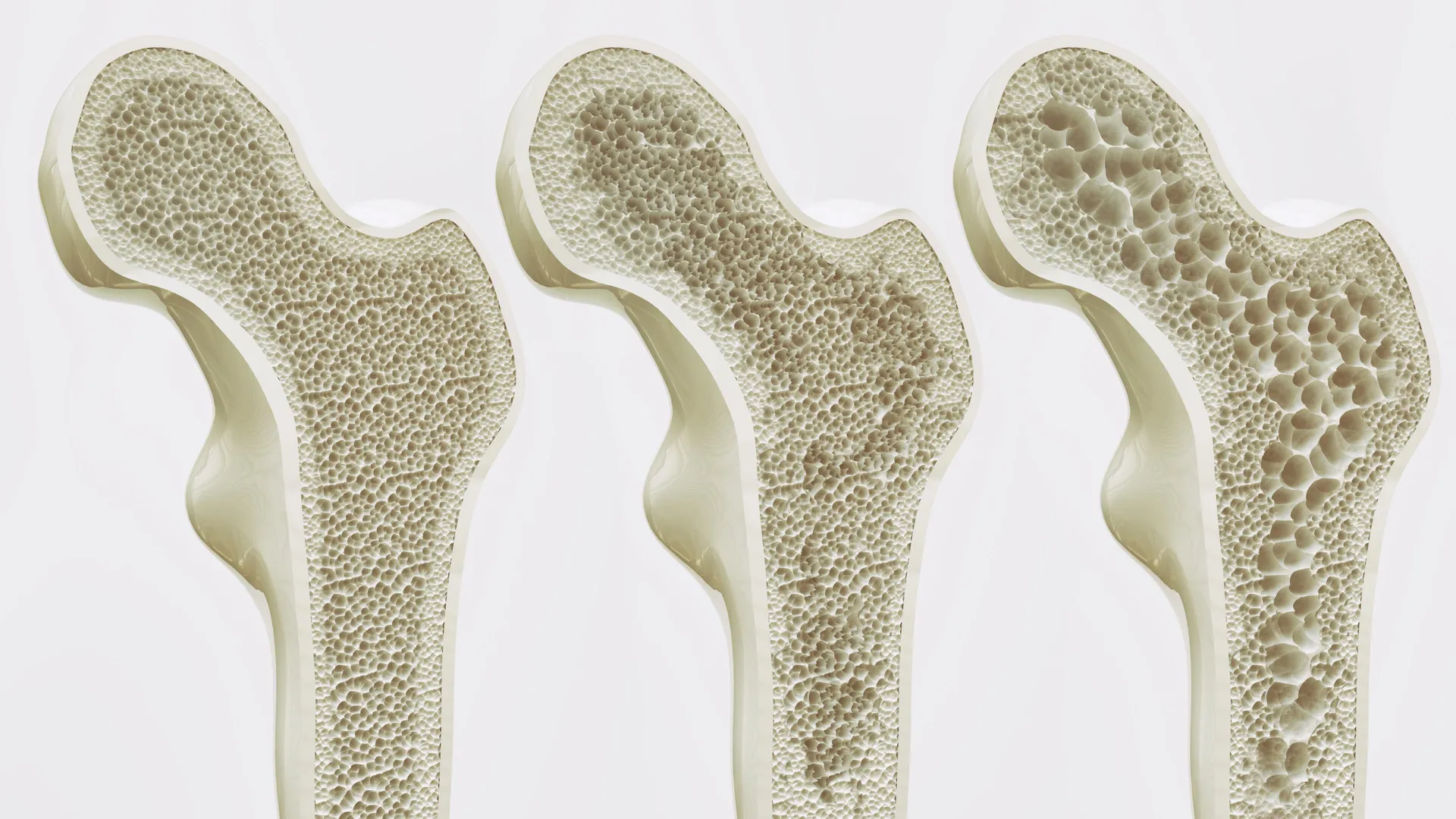
Researchers may have unlocked a major breakthrough in the fight against osteoporosis, identifying a previously overlooked receptor that plays a powerful role in regulating bone strength. The discovery centers on a protein called GPR133, which scientists say could become a key target for next-generation bone health treatments.
In laboratory experiments, scientists found that activating GPR133 with a newly discovered compound called AP503 significantly boosted bone density in mice. Crucially, the treatment also appeared to reverse osteoporosis-like damage, raising hopes that a similar approach could one day work in humans.
Osteoporosis affects hundreds of millions of people worldwide, causing bones to become brittle and increasing the risk of fractures. Current treatments can slow bone loss but often come with side effects, and few therapies are capable of actually rebuilding bone tissue — making this discovery particularly significant.
The research team believes GPR133 acts as a master switch for bone formation, influencing the activity of cells responsible for building and maintaining bone density. By targeting this receptor directly, AP503 appears to tip the balance in favor of bone growth rather than bone breakdown.
While the results in mice are promising, scientists caution that much more research is needed before the treatment can be tested in humans. Clinical trials are still years away, and it remains to be seen whether AP503 will be safe and effective in the human body.
Nevertheless, experts in the field have described the findings as a significant step forward. If the science translates to humans, GPR133-targeting therapies could offer a more effective and targeted way to combat bone loss linked to aging, hormonal changes, and certain medical conditions.
The discovery adds to a growing body of research exploring how little-known biological receptors influence major aspects of human health. Scientists hope that continued investigation into GPR133 will open new doors not only for osteoporosis treatment but for a broader understanding of skeletal biology.