Surge in Meteor Sightings Prompts Call for Serious Investigation
About a dozen of the biggest fireballs spotted by hundreds of witnesses across the sky are all coming from the same place, according to a new trajectory analysis.
Astronomers Say Recent Rash of Meteor Sightings 'Warrants Serious Investigation'
A surge in spectacular fireball sightings over the past several months has caught the attention of astronomers worldwide, and a new trajectory analysis suggests that approximately a dozen of the largest and most dramatic events share a common origin point in space. The findings, compiled by an international team of researchers using witness reports, dashboard camera footage, and data from dedicated meteor tracking networks, indicate that the fireballs are not random occurrences but may be fragments from a single, previously unidentified parent body traveling through the inner solar system.
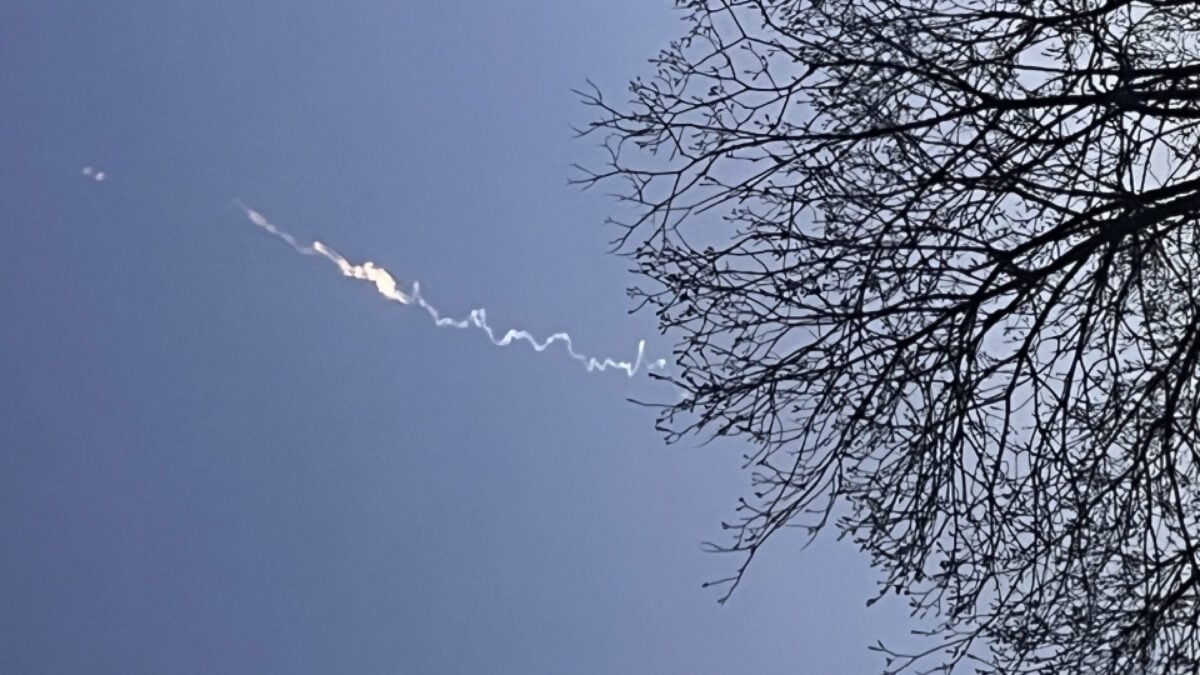
Hundreds of witnesses across North America, Europe, and parts of Asia have reported unusually bright meteors streaking across the sky in recent weeks, many of them producing sonic booms and leaving long-lasting trails visible for several minutes. Scientists at the International Meteor Organization confirmed that the rate of major fireball events has increased significantly compared to the same period in previous years. When researchers plotted the trajectories of the twelve most prominent events backward through space, they converged on a narrow orbital corridor, suggesting the Earth is passing through a dense stream of debris that has not been previously cataloged.
Dr. Elena Vasquez, a planetary scientist at the University of Arizona and one of the lead authors of the analysis, said the pattern is unlike anything her team has encountered before. "We see meteor showers every year from well-known sources, but this cluster of large fireballs tracing back to the same region of space is genuinely unusual," she said in a statement. "It warrants serious investigation, because it could mean there is a sizable object out there that has been breaking apart, and we need to understand its size, composition, and orbital path."
Astronomers are now coordinating efforts to use ground-based telescopes and space-based assets to search for the suspected parent body and characterize the debris stream more precisely. While experts stress that there is no immediate threat to Earth, they emphasize the importance of identifying and tracking previously unknown sources of near-Earth debris. NASA's Planetary Defense Coordination Office said it is aware of the findings and is working with international partners to gather additional data. Scientists expect to publish a more detailed analysis within the coming weeks as further observations become available.