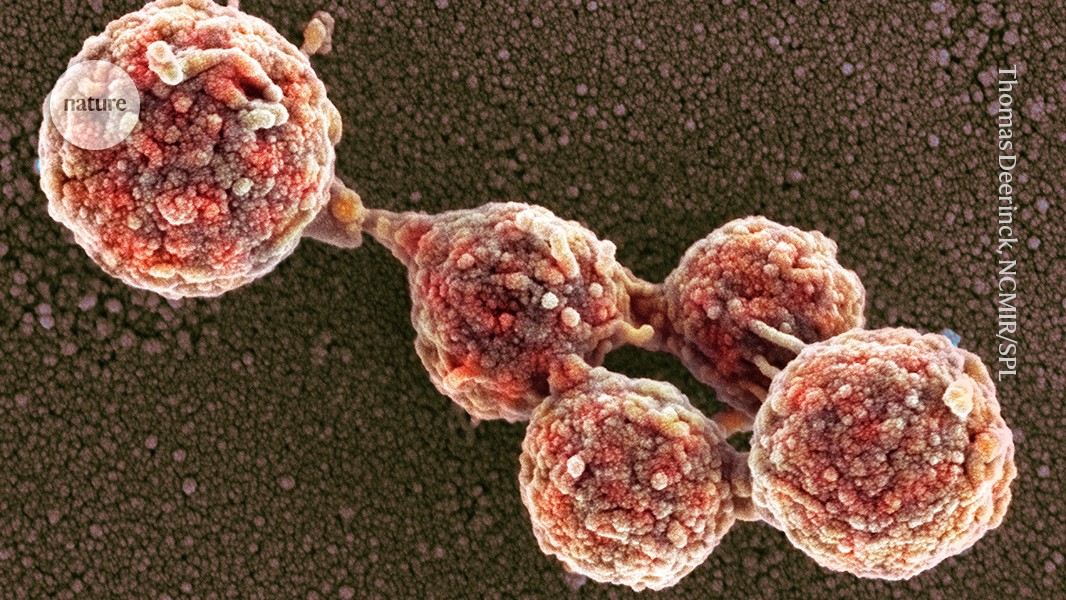
Zombie Cells Revived Through Radical Genome Transplant
Technique that inserts the genome of one bacterial species into the ‘dead’ cells of another could open doors for synthetic biologists.
Zombie cells' return from the dead — after a genome transplant
Scientists have achieved a remarkable feat of biological engineering by successfully inserting the genome of one bacterial species into the emptied-out cellular husks of another, effectively bringing "dead" cells back to life. The technique, which researchers are calling genome transplantation, involves stripping a recipient bacterial cell of its own DNA — rendering it functionally lifeless — and then introducing a complete genome from a donor species. The result is a revived cell that takes on the identity and characteristics of the donor organism, operating with borrowed genetic instructions inside a foreign cellular shell.
The research, carried out by teams working at the forefront of synthetic biology, builds on years of efforts to understand the minimal requirements for cellular life. By demonstrating that a gutted cell can be rebooted with an entirely different genome, the scientists have shown that the molecular machinery of one species can successfully read and execute the genetic code of another. The recipient cells, once devoid of their own DNA and effectively non-functional, resumed growth and division after receiving the transplanted genome, earning them the vivid nickname "zombie cells" among the research community.
Experts say the implications for synthetic biology are enormous. The ability to transplant genomes between species could dramatically accelerate efforts to design custom organisms for applications ranging from medicine and agriculture to environmental cleanup and industrial manufacturing. Rather than building synthetic cells from scratch — a process that remains extraordinarily difficult — researchers could instead use naturally occurring cells as chassis, swapping in engineered genomes to create organisms with precisely tailored functions. The technique could also shed light on fundamental questions about how genomes interact with cellular infrastructure and what defines the boundary between life and death at the cellular level.
However, the approach is not without its challenges and limitations. The method currently works only with certain bacterial species, and researchers caution that scaling the technique to more complex organisms remains a distant goal. There are also ethical and biosecurity considerations that will need to be addressed as the technology matures, particularly around the creation of novel organisms with hybrid characteristics. Nevertheless, scientists are optimistic that genome transplantation represents a powerful new tool in the synthetic biologist's toolkit, one that could fundamentally reshape how researchers think about engineering life from the ground up.