ABS Delivers Drama—But Substance Remains Elusive
Even with all the testing data from the minor leagues and spring training, it was hard not to wonder how MLB’s new automated ball-strike challenge system would feel in big league games that count. When would teams use their challenges? Who would use them? How…
For Now, ABS Makes Good Theater
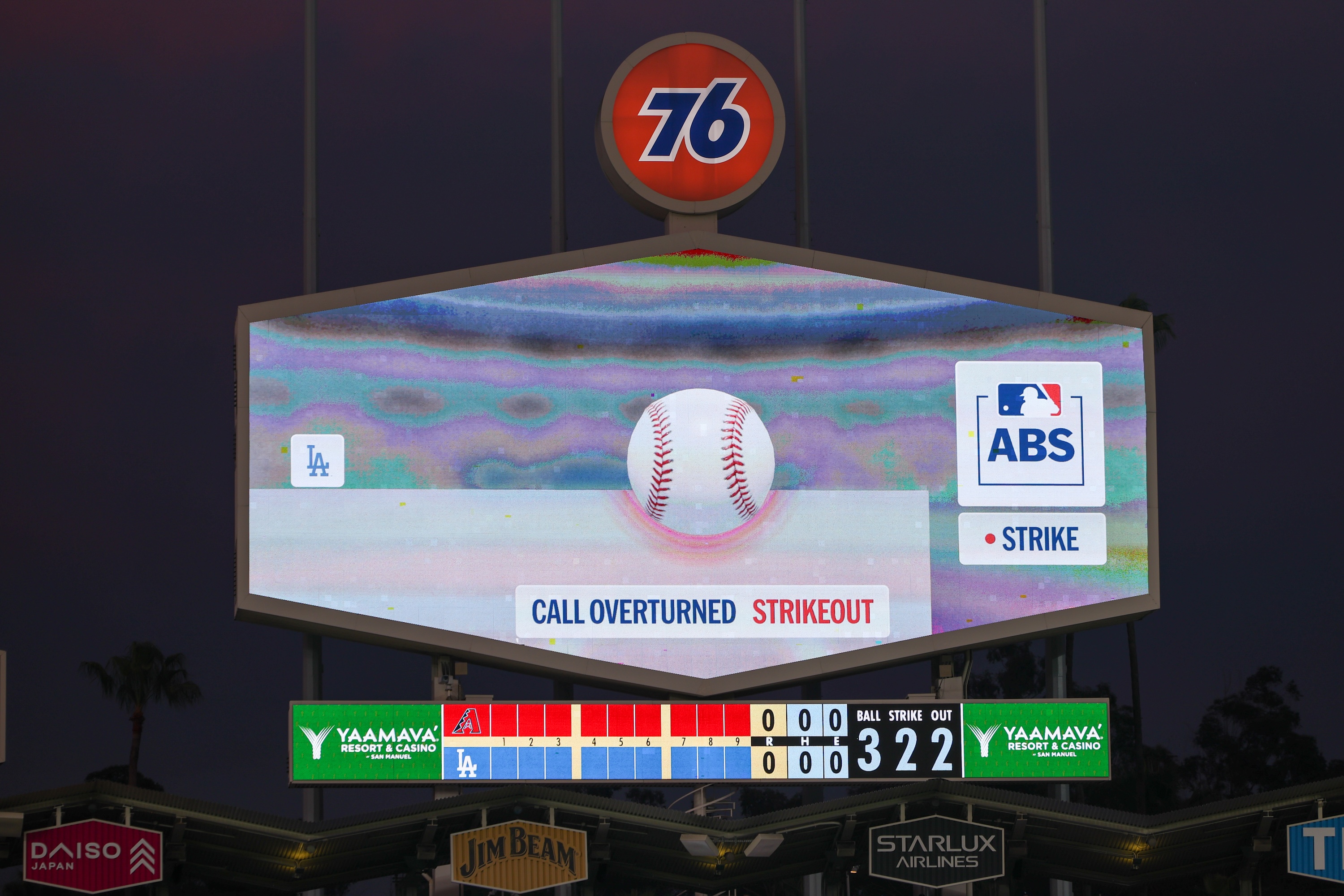
Even with all the testing data from the minor leagues and spring training, it was hard not to wonder how MLB's new automated ball-strike challenge system would feel in big league games that count. When would teams use their challenges? Who would use them? How would the moments play out in front of big league crowds? Through the first days of the 2025 season, the early returns suggest that the ABS challenge system has delivered something baseball desperately needed: genuine, crowd-involving drama that doesn't require a home run or a stolen base to generate noise.
The system, which gives each team three challenges per game to contest ball and strike calls with the help of an automated strike zone, has already produced several memorable moments. Batters have frozen after called third strikes, turned to their dugouts, and watched the crowd hold its breath while the review plays out on the scoreboard. In some cases, the call was overturned, sending fans into a frenzy. In others, the original call stood, drawing groans and scattered applause. Either way, the theater of the moment has been undeniable, and players have been quick to engage with it in ways that feel natural rather than mechanical.
Managers and players have generally praised the early rollout, noting that the challenge system keeps everyone honest without stripping the human element entirely from the game. Home plate umpires still make the initial calls, and teams must decide strategically when to burn a challenge. That decision-making layer has added an unexpected dimension to late-game situations, where a manager might weigh using a challenge on a close pitch against the possibility of needing one more in a critical at-bat two innings later. The chess match element has resonated with both casual fans and longtime observers of the game.
Of course, it is far too early to declare the ABS challenge system a complete success. Questions remain about how teams will adapt their strategies over a full 162-game season, and whether the novelty will wear off once the system becomes routine. There are also ongoing conversations about the accuracy of the automated zone itself and whether it truly reflects the intent of the rulebook strike zone. But for now, in the early days of a new baseball era, the system has done something remarkable for a sport often accused of resisting change: it has made people lean forward in their seats.