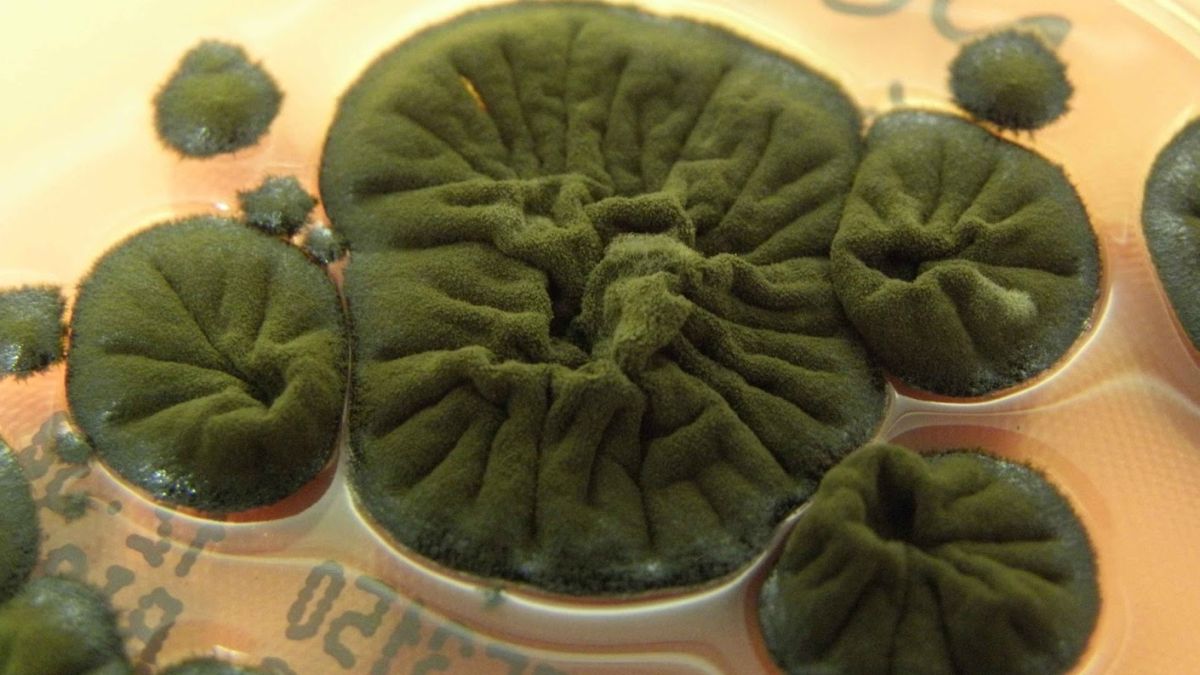
Chernobyl Fungus Appears to Thrive on Radiation
The Chernobyl exclusion zone may be off-limits to humans, but not to every form of life.
Chernobyl Fungus Seems to Have Evolved an Incredible Ability
In the decades since the catastrophic nuclear disaster of 1986, the Chernobyl exclusion zone has remained one of the most inhospitable places on Earth for human habitation. Yet life has found a way to persist in this irradiated landscape, and scientists have discovered something truly remarkable growing on the walls of the damaged reactor. A black fungus, identified as Cladosporium sphaerospermum, appears to have evolved the extraordinary ability to feed on radiation, using it as a source of energy much the way plants use sunlight for photosynthesis.
Researchers first noticed the fungus thriving on the walls of the reactor in 1991, just five years after the meltdown. Rather than being harmed by the intense gamma radiation saturating the environment, the organism seemed to be drawn toward it. The fungus is rich in melanin, the same pigment found in human skin, and scientists believe this melanin plays a critical role in converting radiation into chemical energy through a process that has been termed radiosynthesis. This discovery challenged long-held assumptions about the limits of biological adaptation.
A 2020 experiment aboard the International Space Station provided further evidence of the fungus's capabilities. Researchers sent samples of Cladosporium sphaerospermum to the ISS and found that the organism not only survived but appeared to grow faster when exposed to the elevated levels of cosmic radiation present in low Earth orbit. The fungus was able to reduce radiation levels by nearly two percent when grown in a thin layer, suggesting it could potentially serve as a biological shield for astronauts on long-duration space missions.
The implications of this discovery extend far beyond the Chernobyl exclusion zone. Scientists are now exploring whether the fungus could be cultivated and used as a living radiation shield for future missions to Mars, where astronauts will face prolonged exposure to harmful cosmic rays without the protection of Earth's magnetic field. While significant research and development remain before such applications become practical, the resilient fungus of Chernobyl stands as a powerful reminder that life is capable of adapting to even the most extreme and seemingly uninhabitable conditions on Earth and beyond.