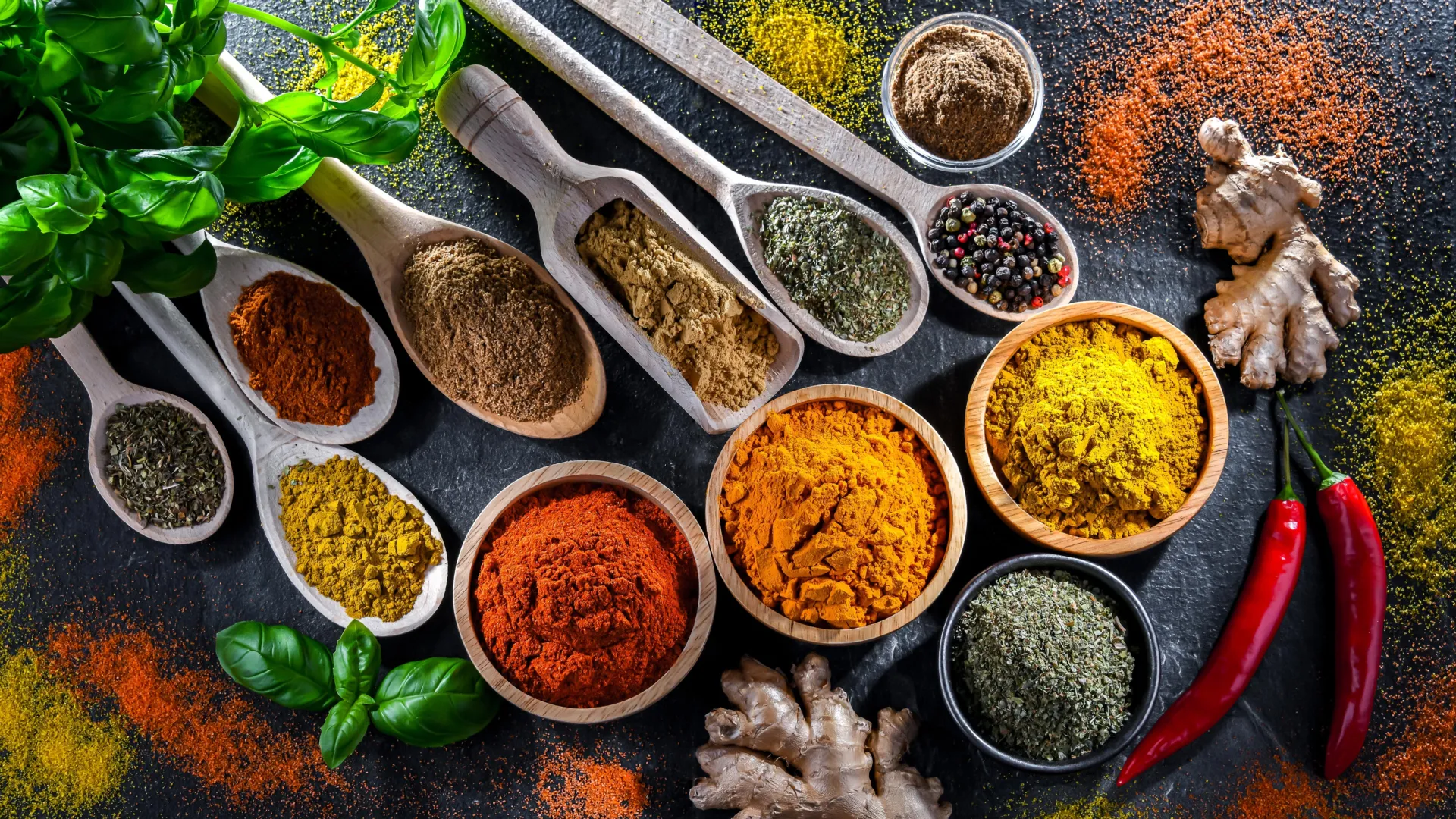
Everyday Spice Combinations Found to Supercharge Anti-Inflammatory Power by 100 Times
Chronic inflammation often works quietly in the background but can fuel serious diseases like diabetes, heart disease, and cancer. New research reveals that everyday plant compounds—like menthol from mint, cineole from eucalyptus, and capsaicin from chili pep…
Chronic inflammation is one of the most insidious threats to long-term human health, silently underpinning serious conditions including diabetes, heart disease, and cancer. Now, groundbreaking new research suggests that the key to combating it may already be sitting in your spice rack.
Scientists have discovered that certain plant-based compounds, when combined, produce a dramatic synergistic effect that can amplify their anti-inflammatory properties by up to 100 times compared to when each compound is used alone. The findings have sent ripples of excitement through the medical and nutritional science communities.
The study focused on well-known natural compounds including menthol, derived from mint; cineole, found in eucalyptus; and capsaicin, the active component in chili peppers. While each of these substances has long been associated with health benefits, researchers were stunned by the magnitude of the effect when they were paired together in specific combinations.
Researchers believe the synergy occurs because the compounds activate complementary molecular pathways in the body, effectively overwhelming the inflammation response from multiple angles simultaneously. This multi-pronged approach appears far more effective than any single compound acting alone.
The implications for everyday diet and potential therapeutic applications are significant. Scientists suggest that thoughtfully combining herbs and spices in meals could offer a simple, accessible, and low-cost way for people to reduce chronic inflammation without pharmaceutical intervention.
However, experts urge caution before people begin dramatically altering their diets based on the findings alone. The research, while promising, was conducted largely in laboratory settings, and clinical trials involving human participants will be necessary to confirm the effects and establish safe, effective dosages.
If the results are validated in human studies, they could pave the way for a new generation of natural, food-derived anti-inflammatory therapies. For now, researchers say the findings underscore the importance of a diverse, plant-rich diet and hint at the untapped medicinal potential hidden within common kitchen ingredients.