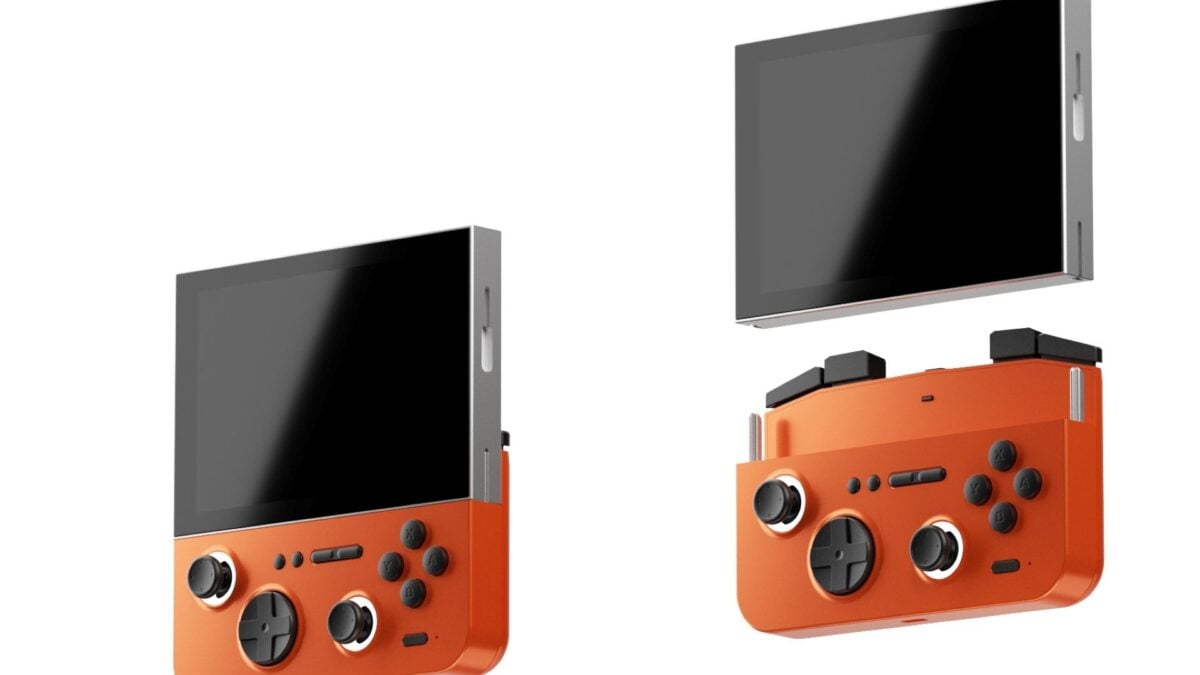
Foldable and Flippable Gaming Handhelds Are the Bold Future We Deserve
If RAM prices force us to spend more on handhelds, we should hope they can flip and fold.
The handheld gaming market is undergoing a radical transformation. As component costs rise and RAM prices push manufacturers to justify higher price tags, a new wave of inventive form factors is emerging — and the results are genuinely exciting.
For years, the handheld gaming space was dominated by safe, predictable designs: a screen flanked by two thumbsticks, a handful of buttons, and a battery tucked somewhere in between. That era may be coming to an end. Designers and manufacturers are now experimenting with flip-open clamshells, foldable displays, and modular configurations that would have seemed outlandish just a few years ago.
The economic reality driving this shift is straightforward. RAM prices have climbed significantly, pushing the cost of high-performance handhelds higher than many consumers are comfortable paying. If buyers are going to spend premium dollars, they increasingly want premium experiences — and that means hardware that does something genuinely different.
Foldable and flippable designs offer several practical advantages beyond novelty. A clamshell form factor protects the screen during transport, reduces the device's footprint in a pocket or bag, and can open up new possibilities for dual-screen gameplay. Some concepts already in circulation suggest one screen could serve as a controller interface while the other handles visuals.
Manufacturers including established players and ambitious newcomers are racing to stake their claim in this space. The competitive pressure is healthy, pushing engineers to think beyond incremental spec bumps and toward experiences that redefine what a handheld console can be.
Of course, durability remains a legitimate concern. Foldable technology has had a rocky public history, with early smartphones suffering hinge failures and screen creasing under regular use. Gaming devices face even harsher treatment than phones, and any folding handheld will need to prove it can survive years of enthusiastic play.
Still, the trajectory is clear. The handheld gaming category is no longer content to be a shrunken console. It wants to be something entirely its own — and if rising costs are the pressure that finally cracks open truly creative hardware design, that may be the silver lining nobody expected.