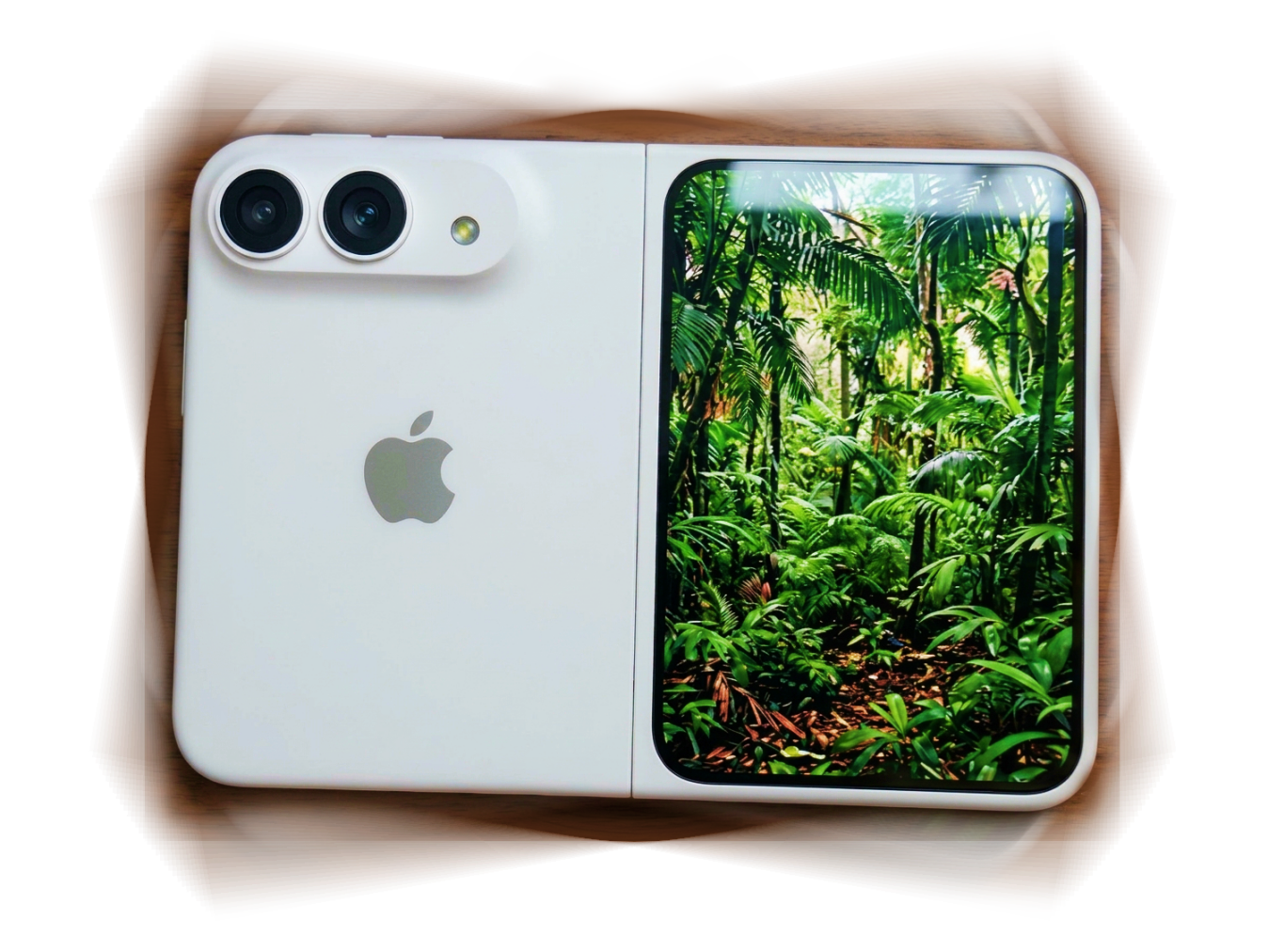
iPhone Ultra Fold Cases and Final Design Renders Leak, Raising MagSafe Compatibility Questions
Leaked iPhone Ultra/Fold cases confirm a wider book-style foldable design for Apple’s 2026 flagship. However, the leaked images suggest a conflict between the device's ultra-thin 4.5mm chassis and MagSafe compatibility, as dummy units lack magnets while cases…
Leaked case molds and so-called final design renders for Apple's highly anticipated foldable iPhone — reportedly dubbed the iPhone Ultra or iPhone Fold — have surfaced online, offering the clearest look yet at the device's physical form factor ahead of its expected 2026 launch.
The leaks confirm a book-style foldable design wider than most Android competitors, with Apple apparently prioritizing a more tablet-like interior display when unfolded. The overall aesthetic aligns with earlier supply chain rumors pointing to a premium, large-format foldable that would sit above the iPhone Pro Max in Apple's lineup.
Perhaps the most intriguing detail emerging from the leaked materials is the device's remarkably slim 4.5mm chassis when folded. If accurate, this would make Apple's foldable one of the thinnest in the industry, potentially undercutting rivals from Samsung and Huawei and reinforcing Apple's ongoing obsession with slimmer hardware following the ultra-thin iPhone 17 Air.
However, that thinness appears to be creating a significant engineering headache. Dummy units circulating among case manufacturers notably lack the internal magnet array required for MagSafe functionality — a feature that has become central to the iPhone accessory ecosystem since its introduction in 2020.
Despite the absent magnets in dummy units, leaked case designs do appear to include cutouts and structural allowances consistent with some form of MagSafe or magnetic attachment support. This contradiction has sparked debate among analysts and leakers about whether Apple is still finalizing its magnetic solution or quietly developing a new, thinner alternative to the current MagSafe system.
Maintaining a full MagSafe magnet ring inside a 4.5mm shell presents a genuine physical challenge, as current MagSafe components require meaningful internal depth. Apple may be exploring repositioned magnets, a reduced-strength array, or an entirely new wireless attachment standard that fits within the device's wafer-thin profile.
Case manufacturers, who typically receive early design specifications months ahead of launch, appear to be working from specs that are still in flux — a sign that Apple may not have locked down the final MagSafe implementation. The company is expected to unveil the device sometime in 2026, giving its engineering teams additional time to resolve the apparent conflict between form and function.