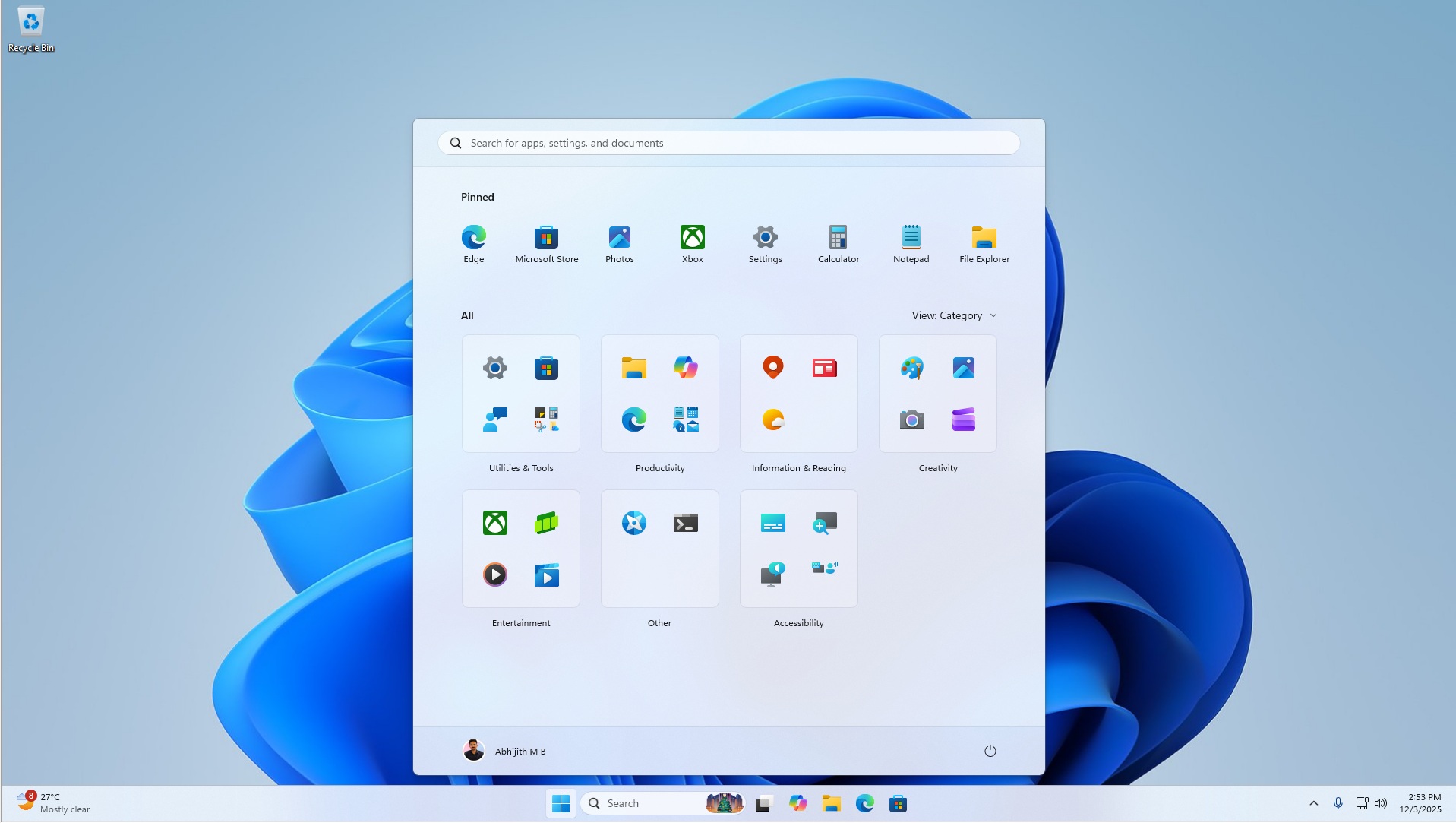
Microsoft Commits to Fully Native Windows 11 Apps, Ditching Web-Based Alternatives
Microsoft has confirmed it will build 100% native apps for Windows 11 and form a new team to spearhead the project.
Microsoft Plans to Build 100% Native Apps for Windows 11, as Web Apps Ruin the OS Experience
Microsoft has announced a bold new initiative to develop fully native applications for Windows 11, acknowledging that the proliferation of web-based apps has significantly degraded the overall user experience on its flagship operating system. The tech giant confirmed it is forming a dedicated team tasked with rebuilding key applications from the ground up using native code, moving away from the web technologies that have increasingly powered many of its built-in tools and services. The decision marks a significant shift in strategy for a company that had previously embraced web frameworks as a cost-effective way to deliver apps across multiple platforms simultaneously.
The move comes after years of growing frustration from Windows users who have complained about sluggish performance, inconsistent design, and excessive resource consumption caused by web-wrapped applications. Apps built on web technologies such as Electron and WebView2 have been criticized for feeling out of place on the desktop, often lacking the responsiveness and polish that users expect from a premium operating system. Microsoft itself has shipped several apps in recent years that rely heavily on these frameworks, including versions of Teams and other productivity tools, which have drawn pointed criticism from both consumers and enterprise customers alike.
The newly formed team will reportedly focus on ensuring that core Windows 11 applications are optimized for performance, integrate seamlessly with the operating system's native features, and deliver a consistent visual experience in line with the Windows 11 design language. Microsoft executives have stated that the effort will prioritize speed, lower memory usage, and tighter integration with system-level capabilities such as notifications, file management, and hardware acceleration. The company has not yet provided a detailed timeline for when users can expect to see the revamped applications, but sources suggest that the first wave of native replacements could begin rolling out within the next major Windows 11 update cycle.
Industry analysts have largely praised the announcement, noting that it signals Microsoft's renewed commitment to the quality of its desktop platform at a time when competition from Apple and Linux-based alternatives continues to intensify. The decision also reflects a broader industry trend of reconsidering the trade-offs associated with cross-platform web technologies in favor of platform-specific development that prioritizes user experience. If Microsoft follows through on its promises, the initiative could represent one of the most meaningful improvements to the Windows ecosystem in years, restoring confidence among users who have long felt that the desktop experience was being neglected in favor of cloud and web-first strategies.