Researchers Build Experimental Drone That Flies Without Moving Parts Hmm, let me actually make it punchier: New Experimental Drone Takes Flight With Zero Moving Parts
The concept, known as a solid-state ornithopter, replaces the typical network of actuators with electricity-driven materials that deform when voltage is applied. This approach could represent a...
Researchers Build Experimental Drone That Flies Without Moving Parts
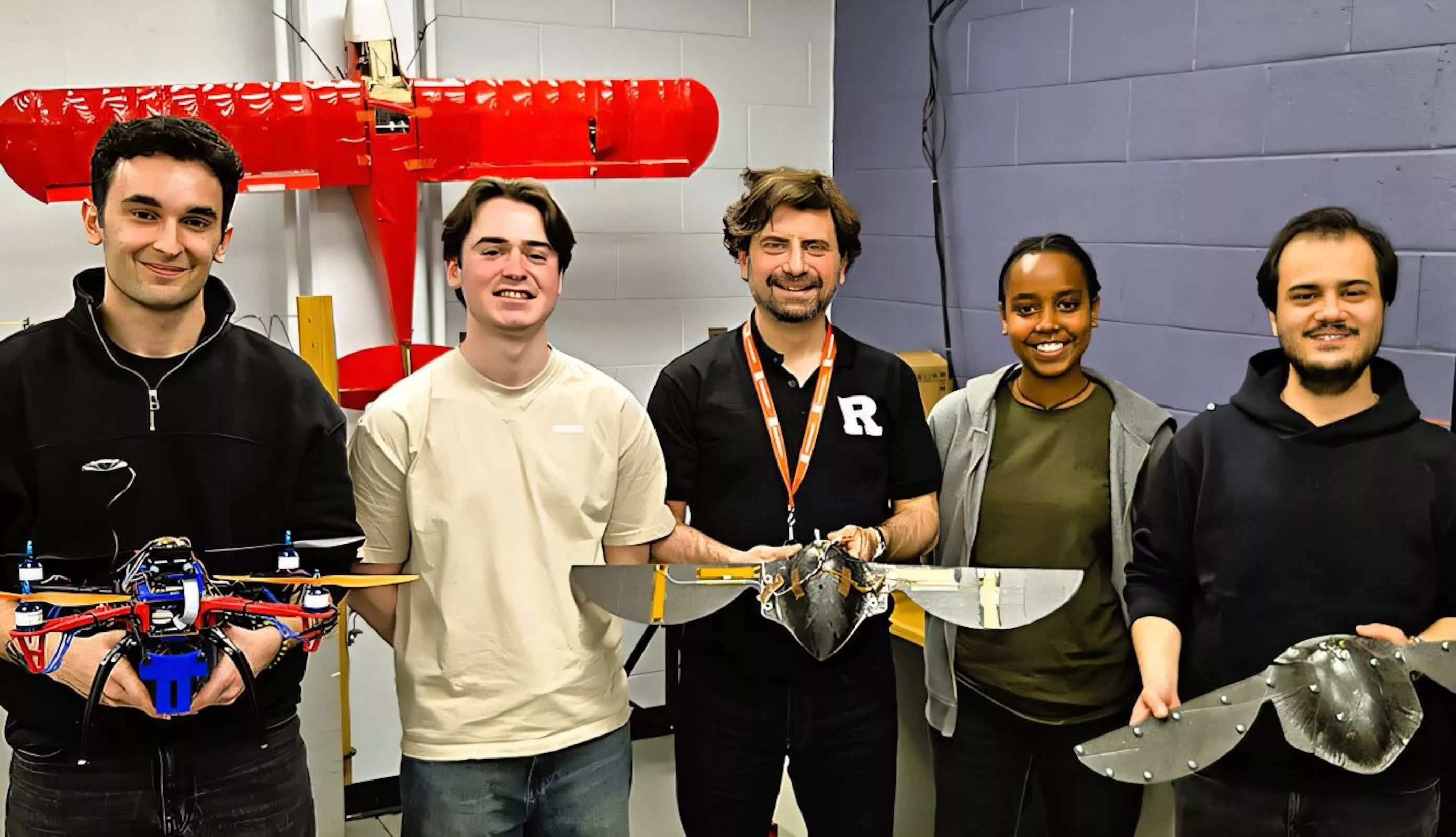
A team of researchers has unveiled an experimental drone that achieves flight without relying on any traditional moving parts such as motors, propellers, or hinges. The concept, known as a solid-state ornithopter, replaces the typical network of actuators with electricity-driven materials that deform when voltage is applied. By using these specialized materials to flex and flap wing-like structures, the drone mimics the motion of bird and insect flight while eliminating the mechanical complexity that has long defined aerial robotics. This approach could represent a significant leap forward in the quest for simpler, quieter, and more reliable unmanned aircraft.
The key innovation behind the solid-state ornithopter lies in its use of electroactive materials, which change shape in response to electrical signals. When voltage is cycled through these materials at precise frequencies, the wings bend and recover in a rhythmic flapping motion capable of generating lift and thrust. Because there are no gears, bearings, or rotary components involved, the system dramatically reduces the number of failure points and cuts down on the noise typically associated with conventional drones. Researchers say this makes the technology particularly appealing for applications in surveillance, environmental monitoring, and operations in noise-sensitive environments.
Early test flights have demonstrated that the prototype can achieve controlled, sustained flight, though its payload capacity and range remain limited compared to traditional quadcopter designs. The team acknowledges that significant engineering challenges lie ahead, including improving energy efficiency, scaling the design for heavier payloads, and developing more robust control systems. Nevertheless, the successful demonstration of powered flight using only solid-state components marks a milestone that many in the aerospace community have long considered a formidable technical hurdle.
Looking ahead, the researchers plan to refine the wing design and experiment with new electroactive materials that could deliver greater force and durability. If the technology matures as hoped, solid-state ornithopters could eventually find roles in search and rescue missions, agricultural monitoring, and urban delivery services where quiet operation is a priority. The project has already attracted interest from both government agencies and private sector partners eager to explore the commercial potential of a drone that flies with no moving parts at all.