Nvidia CEO Defends DLSS 5 Against AI Slop Accusations
If game makers don’t like it, “they could decide not to use it, you know?"
Nvidia CEO tries to explain why DLSS 5 isn't just "AI slop"
At Nvidia's latest technology showcase, CEO Jensen Huang found himself in the unusual position of defending the company's upcoming DLSS 5 technology against a wave of skepticism from gamers and developers who have labeled it little more than "AI slop." The next-generation upscaling and frame generation technology, which Nvidia claims will use advanced neural rendering to generate the majority of pixels on screen rather than traditionally rendering them, has drawn sharp criticism from those who worry it will produce the same kind of artificial, hallucinated artifacts associated with generative AI imagery. Huang pushed back firmly, arguing that the technology represents a fundamental leap in real-time graphics rather than a shortcut that compromises visual quality.
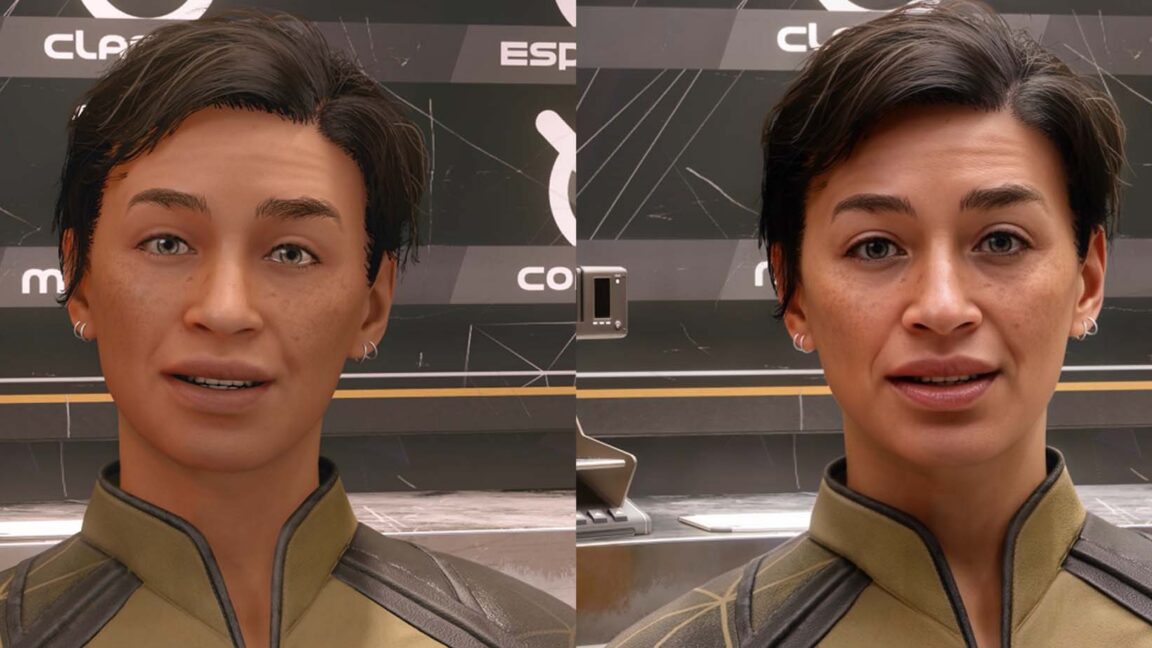
During a press Q&A session, Huang attempted to draw a clear distinction between DLSS 5 and the generative AI tools that have sparked controversy in creative industries. "This is not about replacing the artist's vision," Huang said. "This is about taking the information the game engine provides — the geometry, the lighting, the motion vectors — and reconstructing the image with a level of fidelity that traditional rendering simply cannot match at playable frame rates." He pointed to side-by-side demonstrations showing DLSS 5 output compared to native resolution rendering, claiming that in many cases the AI-enhanced result was virtually indistinguishable or even superior.
However, not everyone in the gaming industry is convinced. Several prominent developers have expressed concern on social media that the technology could introduce subtle visual inconsistencies and undermine the carefully crafted aesthetic choices that define their games. When pressed on whether developers would be forced to adopt the technology, Huang struck a notably casual tone. "They could decide not to use it, you know?" he said with a shrug. "But I think once they see what it can do for performance and visual quality, most of them will come around. We're not forcing anyone's hand here."
The debate around DLSS 5 reflects a broader tension in the gaming world as AI-driven technologies become increasingly central to how games are both made and played. While Nvidia insists the technology will democratize high-end graphics performance, allowing players with mid-range hardware to enjoy visuals previously reserved for top-tier systems, critics argue that there is an important philosophical line between enhancing a rendered image and generating one wholesale. With DLSS 5 expected to launch alongside Nvidia's next generation of GPUs later this year, the conversation is unlikely to quiet down anytime soon, and both gamers and developers will ultimately have to decide how much AI intervention they are willing to accept in pursuit of better performance.