Scientists Recycle Ancient Lead Bullets to Power Next-Generation Solar Panels
Researchers want to recycle more lead waste for high-tech solar panels via a new method.
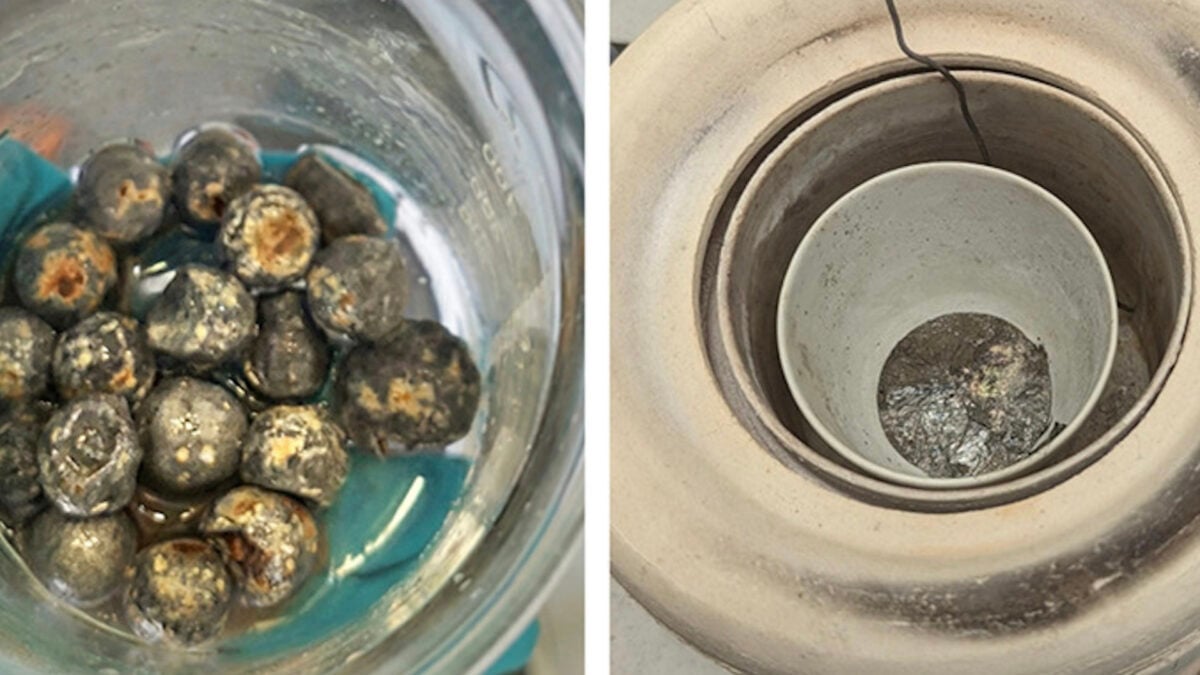
Researchers have developed a groundbreaking new method to repurpose centuries-old lead bullets and other lead waste into a critical compound used in cutting-edge solar panel technology, potentially addressing both a toxic waste problem and a shortage of key materials in the renewable energy sector.
The process focuses on converting discarded lead into perovskite, a highly efficient light-absorbing material increasingly used in next-generation solar cells. Perovskite solar cells have attracted enormous scientific interest in recent years due to their ability to achieve high energy conversion efficiencies at relatively low manufacturing costs.
Lead has long been a cornerstone material in perovskite solar cell production, but sourcing it responsibly has raised environmental concerns. By tapping into existing reserves of lead waste — including archaeological artifacts, old ammunition, and industrial byproducts — scientists believe they can create a more sustainable and circular supply chain for the solar industry.
The new recycling method reportedly breaks down the lead-containing materials through a specialized chemical process, purifying and reforming the metal into the precise compound needed for perovskite synthesis. Early results suggest the recycled material performs comparably to conventionally sourced lead in solar cell applications.
Beyond its implications for solar energy, the approach could offer a significant environmental benefit by safely neutralizing toxic lead waste that might otherwise leach into soil and water supplies. Lead contamination remains a serious public health concern in many parts of the world.
Experts in both materials science and environmental policy have welcomed the development, noting that it exemplifies how the renewable energy transition can be advanced through creative, waste-reducing thinking. However, they caution that scaling the method to industrial levels will require further investment and rigorous safety protocols.
The research team is now working to optimize the process and explore partnerships with waste management organizations and solar manufacturers. If successful, the initiative could transform a centuries-old environmental hazard into a driver of clean energy innovation.