Small Publishers Bear the Brunt of Plummeting Search Traffic
Larger publishers with better brand recognition and stronger direct-to-consumer products are more insulated from declines in traditional search traffic.
Exclusive: Small publishers Hit Hardest by Search Traffic Declines
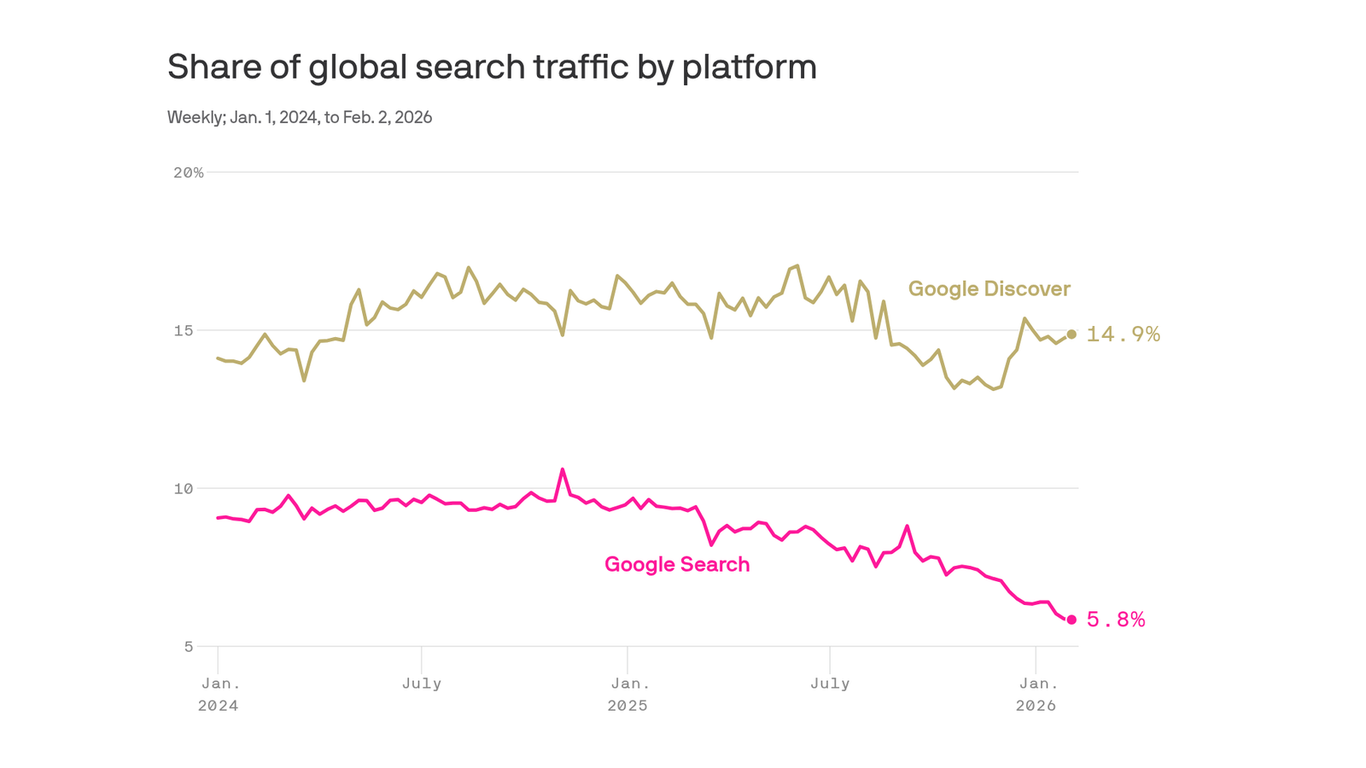
The widening gap between large and small digital publishers has taken on a new dimension as recent data reveals that smaller media outlets are bearing the brunt of declining search engine traffic. While the entire publishing industry has felt the effects of shifting algorithms and changing user behavior, independent and niche publishers are experiencing disproportionately steep drops in the organic search referrals that many have long depended on as a primary source of audience growth.
Larger publishers, bolstered by established brand recognition and diversified revenue strategies, have proven far more resilient in the face of these changes. Major media companies that have invested heavily in direct-to-consumer products such as newsletters, apps, subscriptions, and membership programs are finding that their reduced reliance on search traffic has created a critical buffer. Their recognizable names also give them an advantage in search rankings, where algorithms increasingly appear to favor authoritative and well-known sources over smaller competitors.
For small publishers, the consequences are both immediate and potentially existential. Many of these outlets built their business models around steady streams of search-driven readers, using that traffic to generate advertising revenue and grow their audiences organically. Without the resources to rapidly pivot to subscription models or invest in brand-building campaigns, these publishers face a painful squeeze that could force some to scale back operations or shut down entirely. Industry analysts warn that the trend threatens to further consolidate the media landscape, reducing the diversity of voices available to readers.
Media advocates are calling on both search platforms and policymakers to address the growing imbalance. Some have suggested that search engines should implement more transparent ranking criteria and consider the impact their algorithms have on the broader information ecosystem. Others argue that industry support programs and collaborative partnerships could help smaller publishers develop the direct audience relationships they need to survive in an era where search traffic can no longer be taken for granted. What remains clear is that without intervention or adaptation, the digital divide in publishing is poised to grow even wider.