 eChowder
Do You Need a Stand Mixer? Honest Answer After 10 Years
I get asked this question more than almost any other kitchen question: do I actually need a stand mixer, or is it one of those appliances that looks great on a registry and then lives under a cabinet for a decade? I've owned one continuously for ten years, worn through one motor, and replaced it with a second mixer I've now had for four years. So I have an actual answer, not a guess.
The short version: if you bake bread, cookies, or cakes more than once a month, yes, buy one, and buy a real one the first time. If you bake a handful of times a year, you can get by with a hand mixer and save several hundred dollars. Here's the longer version, with the two machines I've actually used.
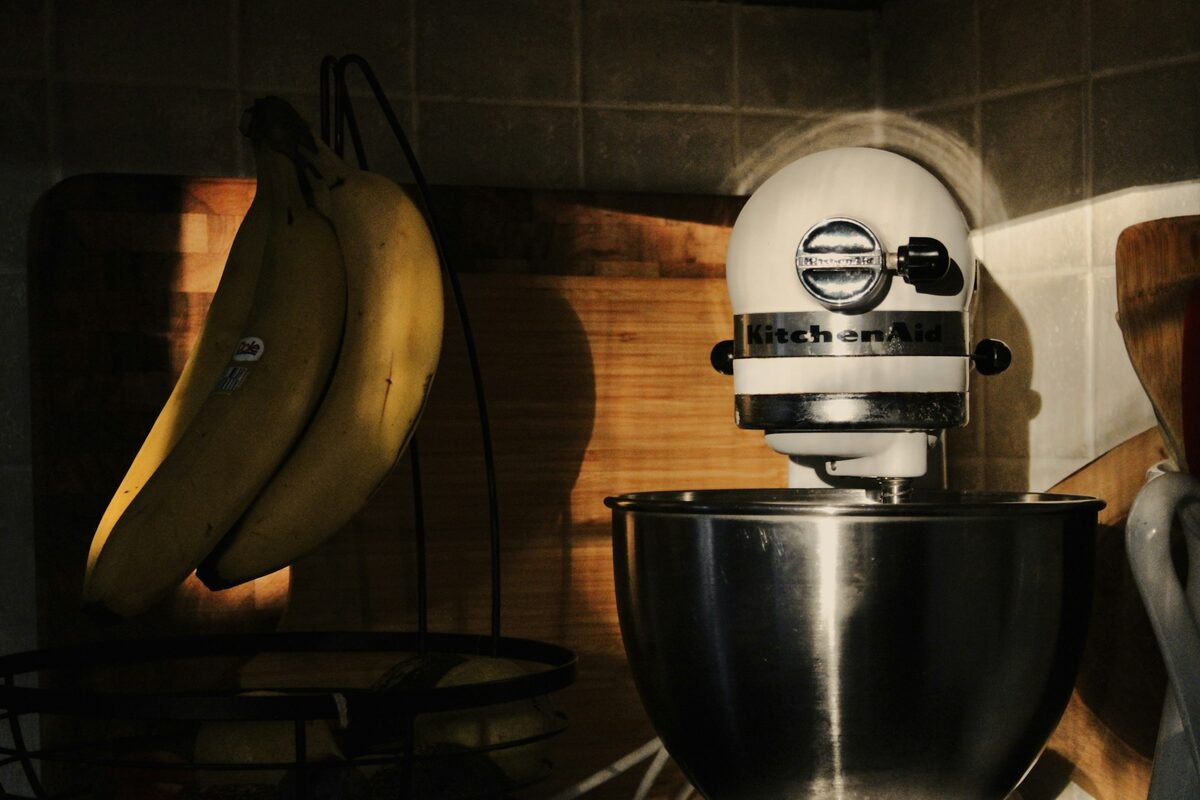
My first mixer was a KitchenAid Classic, the entry-level tilt-head model, which I bought for $180 because it was the cheapest one at the store. It lasted six years of regular bread and cookie dough before the motor started smoking faintly during a double batch of cinnamon roll dough — which, in fairness, is a genuinely heavy load for that motor size.
What actually failed, and why
The Classic's motor is rated for lighter doughs — cookies, cakes, thin batters. I was regularly asking it to knead stiff bread dough for ten minutes at a time, which pushes it past what it's really built for. That's not a defect; it's a mismatch between the tool and the job. If you mostly bake cakes and cookies, the Classic or an equivalent entry model is genuinely fine and I wouldn't tell you to spend more.
But if bread is a regular part of your baking, as it is for mine, you need a machine built for dough. That's the lesson that cost me a dead motor and a frantic two-day wait for a replacement mixer before a holiday bake.
What I upgraded to: KitchenAid Professional 600, 6-Quart ($430)
The Professional 600 has a bowl-lift design instead of tilt-head, and a 575-watt motor built specifically for heavier loads. Four years in, it has handled double batches of bagel dough, which is about as stiff as home baking gets, without so much as slowing down. It's loud — genuinely loud, loud enough that I avoid running it before 8am — and it's heavy enough that it lives permanently on the counter rather than getting put away, which is worth knowing before you buy one for a small kitchen.
At $430, it's more than double what the Classic cost me. Is it worth it? For someone who bakes bread weekly, yes, without hesitation — the cost per use over four years is now under thirty cents. For someone who bakes a cake every few months, it's genuinely overkill, and I'd steer you toward the Classic or even a good hand mixer instead.
The case against buying one at all
I want to be fair to the other side of this. A stand mixer is a specialized machine that does two things extremely well — kneading heavy dough and whipping large volumes of egg whites or cream — and does almost nothing that a hand mixer, a whisk, or your own hands can't do for the occasional baker. If you bake fewer than six times a year, a $30 hand mixer and a sturdy wooden spoon will cover you, and the money saved is real money.
I also want to flag the counter space cost, which gets left out of most buying guides. A 6-quart stand mixer takes up roughly the same footprint as a toaster oven, permanently, in a kitchen where counter space is usually the scarcest resource. If your kitchen is small, factor that in before you factor in the price.
So, do you need one?
If you bake bread regularly: buy the Professional 600 or an equivalent bowl-lift model built for dough, and buy it once rather than burning out a cheaper motor first the way I did. If you bake occasionally and mostly cakes or cookies: the entry-level tilt-head models are genuinely good enough, and I'd save the extra $250. If you bake a few times a year: skip it entirely and put that money toward something you'll use weekly instead.
Ten years in, mine isn't a novelty appliance gathering dust — it runs most Sundays. That's the actual test for whether it's worth buying: not whether you can picture using it, but whether you still will be in year four.
Attachments are worth considering before you buy
One thing I didn't factor into my first purchase: the attachment ecosystem. Both of my mixers use the same power hub attachment system, which meant the pasta roller and the food grinder I eventually bought for the Classic carried straight over to the Professional 600 when I upgraded. If you think you might want a meat grinder, pasta roller, or spiralizer attachment down the line, it's worth checking whether a cheaper mixer uses a proprietary or discontinued attachment mount before you buy, since that locks you out of the accessory ecosystem later.
I'd also say: don't buy based on color or kitchen aesthetics alone, tempting as that is given how many finishes these come in now. Decide on the motor size and bowl-lift versus tilt-head design first, based on what you'll actually bake, and treat the color as the very last decision once the mechanics are settled.
A cheaper alternative worth knowing about
If you're on the fence, a $40-$60 hand mixer with a dough hook attachment can handle light bread dough in a pinch, though you'll be holding it the whole time rather than walking away. I used one for years before committing to a stand mixer, and it got me through plenty of cookie dough and simple quick breads. It's a reasonable bridge option if you're not ready to commit to the counter space or the cost yet.