 eChowder
How to Stock a Pantry for $60
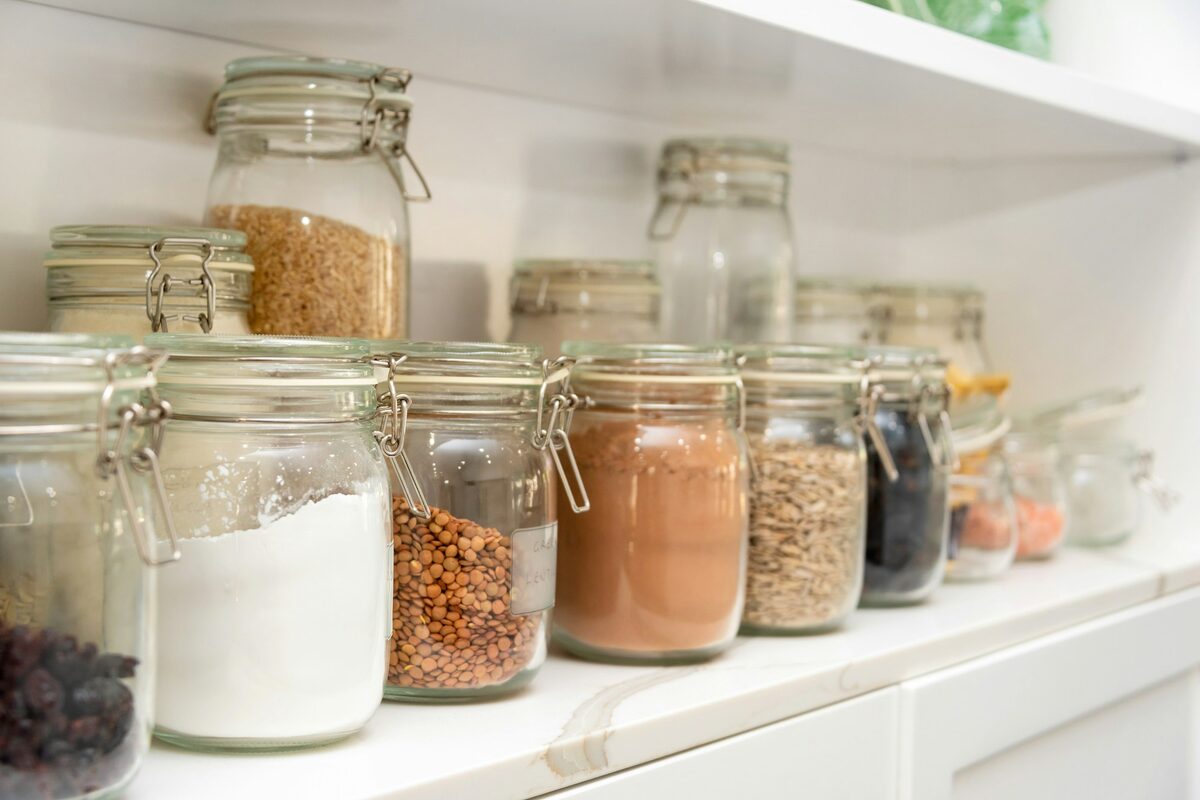
Every few months someone asks me how I manage to pull dinner together on nights when I swear I "have nothing in the house," and the honest answer is that I don't actually have nothing — I have a pantry that's set up to make nothing feel like something. This isn't a stockpile for an apocalypse. It's a working set of about twenty ingredients that, combined with whatever's fresh that week, covers most weeknight dinners.
I rebuilt mine from scratch last month after a move, and I kept the receipt specifically so I could write this post with real numbers instead of estimates. The total came to $58.40 at a regular mid-range grocery store, no club store membership, no bulk bins, nothing exotic.
Here's exactly what I bought, store by store aisle, with the actual prices.
Grains and starches — $14.20
A 2-pound bag of white rice ($3.49), a pound of spaghetti ($1.29), a pound of a short pasta shape like penne ($1.29), and a pound bag of dried lentils ($2.49) cover the bulk of weeknight carbs. I also grabbed a dozen corn tortillas ($2.99) and a loaf of decent sandwich bread ($2.65), since both get used almost daily in my house.
Canned and jarred goods — $16.85
Two 28-ounce cans of whole peeled tomatoes ($3.98 total) are the backbone of half my dinners — sauce, soup base, braising liquid. A can of chickpeas ($1.19) and a can of black beans ($1.19) cover quick proteins. A jar of good jarred marinara ($3.49) is there purely for the nights I don't have energy to make sauce from the tomatoes. Chicken broth, two 32-ounce boxes ($4.98), and a small jar of Dijon mustard ($2.02) round this section out.
Oils, vinegars, and aromatics — $15.95
A medium bottle of olive oil ($6.99) and a smaller bottle of neutral oil for higher-heat cooking ($3.49) cover almost everything. A bottle of red wine vinegar ($2.49) brightens anything that tastes flat. A bag of yellow onions ($2.49) and a head of garlic ($0.79) round this out — these two alone go into probably eighty percent of what I cook.
Spices and salt — $8.45
If you're starting completely from zero, I'd prioritize: kosher salt ($2.49 for a box that lasts months), black pepper ($2.99), and a jar of dried oregano ($2.97), which covers Italian-leaning dishes, roasted vegetables, and simple marinades on its own.
Where I shopped, and why it matters
I did this shop at a regular chain grocery store, not a discount store or a club warehouse, because I wanted the numbers to be realistic for someone shopping on a normal Tuesday without planning a special trip. If you have access to a store brand aisle, swapping name brands for store brands on canned tomatoes, pasta, and rice alone would have saved me another six or seven dollars without any real quality difference I could taste.
What this actually gets you through
With this pantry plus a weekly produce run and one protein purchase — chicken thighs, ground beef, or a bag of frozen shrimp — I can get through about five weeknight dinners without a mid-week emergency store trip. Lentil soup, pasta with tomato sauce, rice bowls with beans and whatever vegetable is cheapest that week, and quick skillet dinners built around the onion-garlic-oil base all come out of this same shelf.
This list is deliberately bare-bones. The next tier I'd build toward includes soy sauce, a good hot sauce, canned coconut milk, and a wider spice selection — cumin, smoked paprika, red pepper flakes — which open up a lot more variety without much more cost. I kept this first list to the ingredients that do the most work per dollar, not the ones that are most exciting to cook with.
The real lesson from the receipt
What surprised me doing this as a deliberate exercise, rather than just slowly accumulating a pantry over years the way most of us do, is how little of the $58.40 went toward anything flashy. The onions and garlic together cost $3.28 and touch almost everything I cook. The two cans of tomatoes cost $3.98 and form the base of at least three different dinners a week. A stocked pantry isn't about having a lot of ingredients — it's about having the right handful of ingredients that combine in enough directions to cover a real week of cooking.
If you're building one from nothing, start with the onion, garlic, olive oil, canned tomatoes, and a starch. That five-ingredient core, on its own, gets you more dinners than almost anything else on this list.
How to maintain it without overspending
The mistake I made for years was treating "restocking the pantry" as one big trip instead of a rolling habit. Now I keep a running list on the fridge of anything that's down to its last use, and I pick up two or three pantry items on a regular grocery run rather than letting everything run out at once and facing a $60 restock all over again. That spreads the cost out in a way that's much easier to absorb into a weekly budget.
I also check unit prices rather than package prices when I'm restocking, since the larger bag of rice or the bigger can of tomatoes is almost always cheaper per ounce, even when the sticker price looks higher. A pantry built this way compounds in value — the first $60 feels like the expensive part, and every restock after that is smaller and spread further apart.